
JingHengmachinery
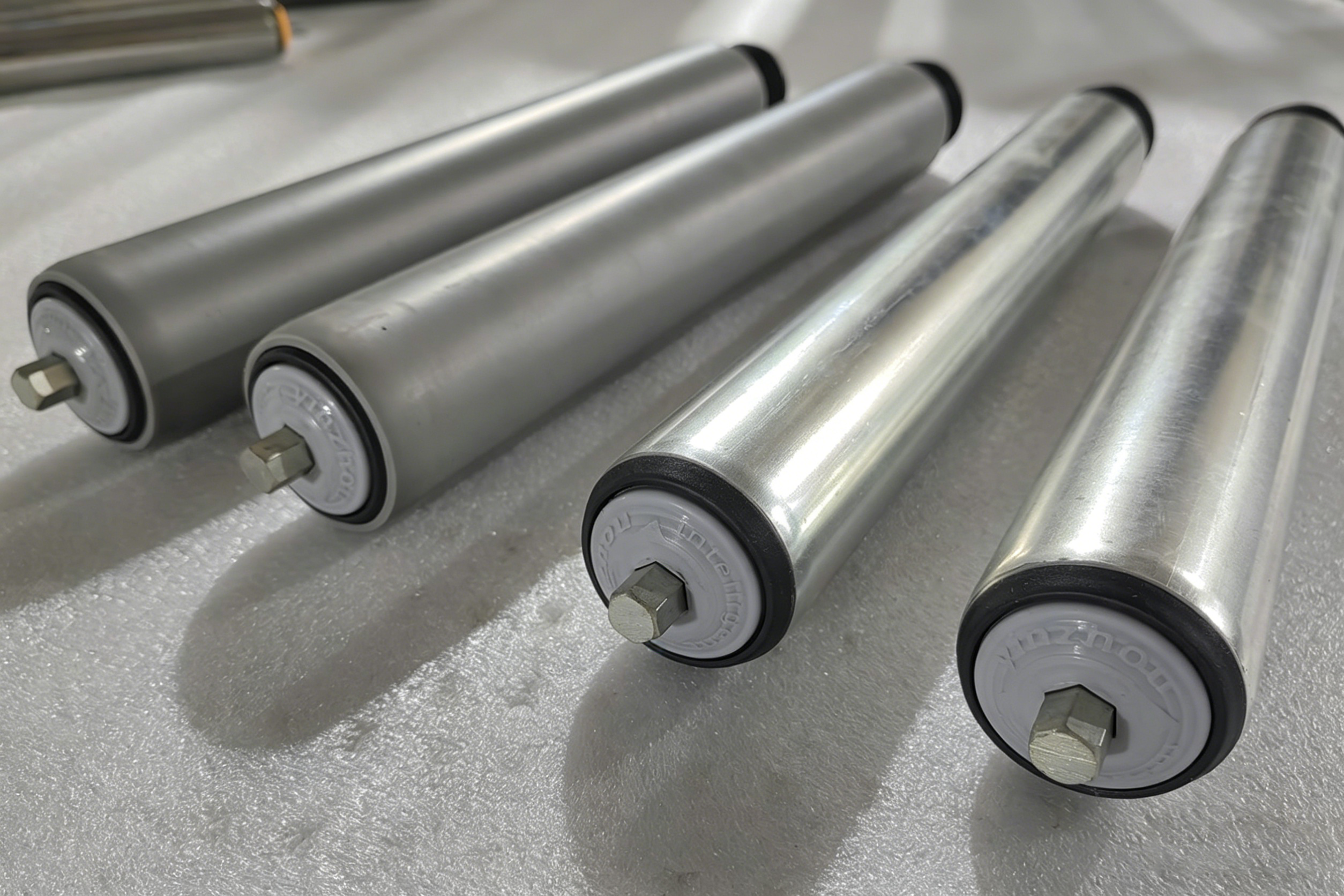

Logistics rollers are core components of logistics conveying equipment, mainly used to support and transport goods. There is a wide variety of conveying rollers, and each type features unique application scenarios and advantages. So what are the classifications of logistics rollers?
1. Classification by Driving Mode
- Non-powered Rollers: They have no independent power source and transport goods relying on the self-gravity of items or other external forces. Featuring a simple structure and low cost, they are widely applied in warehousing and logistics, production lines and other scenarios.
- Powered Rollers: Driven by transmission devices such as motors, belts and chains, they deliver efficient and stable material conveying, and are commonly used in automated production lines and logistics sorting systems.
2. Classification by Shape
- Cylindrical Conveying Rollers: The most common type with simple manufacturing processes, easy installation and maintenance, and stable conveying and supporting performance.
- Tapered Conveying Rollers: With tapered surfaces, they can adjust the conveying direction of goods and are applied for turning, transmission and positioning operations.
- Square Conveying Rollers: Boasting better stability than cylindrical rollers, they reduce shaking and deviation of goods, and are suitable for conveying packaged goods such as feed, bags and pallets.
3. Classification by Material
- Steel Rollers: High in strength and hardness with strong load-bearing capacity, they are suitable for heavy-duty conveying in harsh working environments.
- Aluminum Alloy Rollers: Lightweight and corrosion-resistant, they are ideal for scenarios with strict weight requirements.
- Rubber-coated Rollers: The rubber surface provides high friction to effectively prevent goods from slipping during transportation.
- PVC Conveying Rollers: Light in weight with decent friction, they can offer effective protection to the surface of conveyed goods.
Each type of logistics roller has its own exclusive advantages and applicable ranges. The selection of rollers shall be comprehensively determined based on actual operational demands and specific working scenarios.